
How to Clean a Water Tank: Step-by-Step Guide and Why It Matters
Meta Description: Why water tank cleaning is important and how to clean a water tank step by step: draining, scrubbing, disinfecting and refilling, how often to do it in the UAE, and when to call a professional.
Target Keyword: How to Clean a Water Tank Secondary Keywords: why water tank cleaning is important, water tank cleaning steps, how often to clean a water tank, clean water tank at home, water tank cleaning uae, water tank cleaning dubai
Most people only think about their water tank when something goes wrong: the water smells, the taps run brown, or the pump struggles. By then the tank has usually been neglected for a long time. Regular cleaning is cheap, quick and one of the most effective ways to protect the water your family or business uses every day.
This guide explains why cleaning matters, then walks through the process step by step.
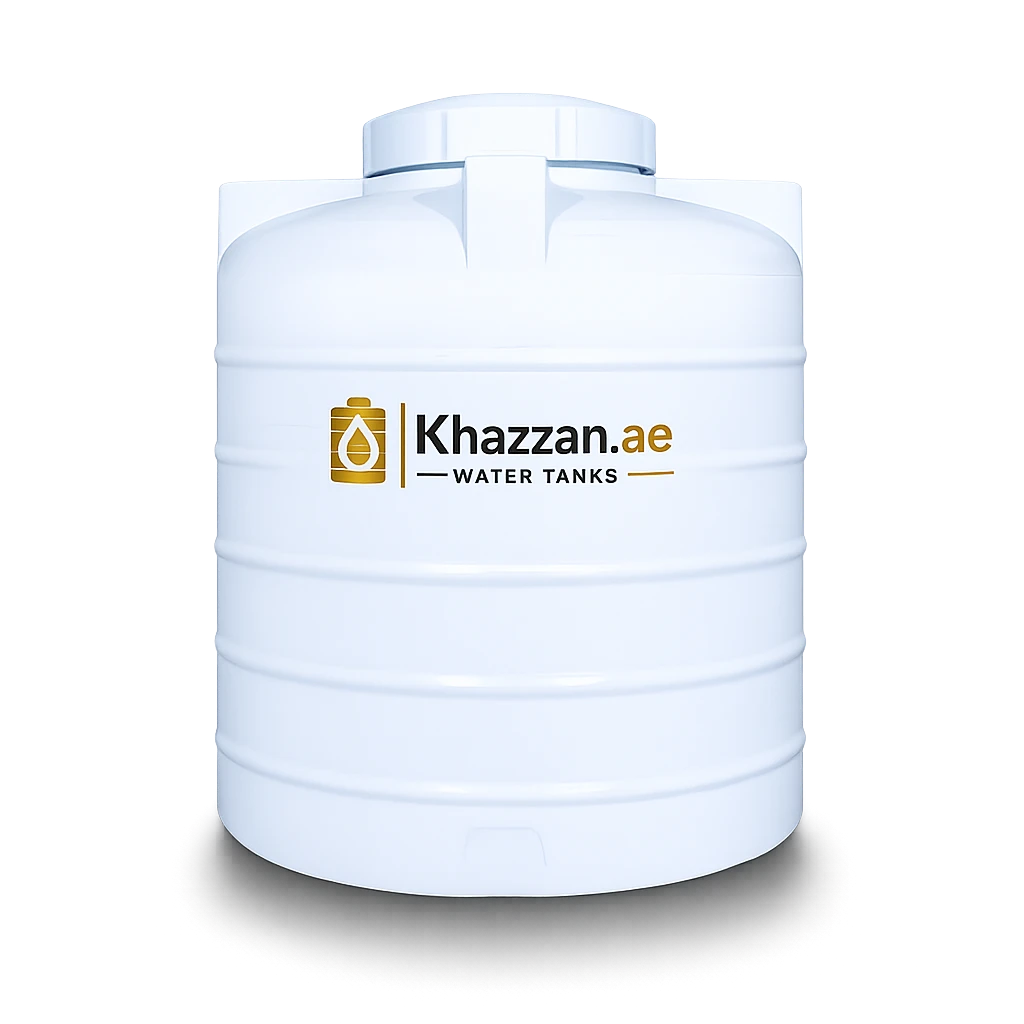
Why Water Tank Cleaning Is Important
A storage tank is a closed container where water can sit for days or weeks. Over time that water, and the tank itself, changes:
- Sediment builds up. Sand, rust particles and silt from the supply settle on the bottom as a layer of sludge. When the tank is stirred by filling, the sludge goes into your taps.
- Biofilm forms on the walls. A slimy layer of bacteria grows on the inside surface. It is hard to see, and it releases bacteria into the water.
- Warm water supports growth. In the UAE, a tank in the sun can reach temperatures that favour bacteria and algae. Warm stored water can also support organisms such as Legionella if it is aerosolised, for example in showers.
- Taste and smell get worse. Stale, musty or chlorine-heavy water is often a sign of a dirty tank.
- Equipment suffers. Sediment clogs pump inlets, float valves, filters, water heaters and appliances.
- Dead animals and debris. Insects, birds and dust get in through poorly sealed lids and vents. A single dead bird can contaminate a whole tank.
Cleaning removes these problems at source, so you are not relying on filters and chlorine to hide them.
How Often Should You Clean a Water Tank?
For potable water in the UAE:
- At least once or twice a year for homes and offices.
- Every three to six months if the tank is in direct sun, the supply is tankered in, or the water quality is poor.
- Immediately after flooding, repairs, long periods without use, or any sign of contamination.
If you are not sure when it was last cleaned, assume it needs doing now.
Before You Start: Safety First
- Do not enter a closed tank unless you have been trained and the tank has proper ventilation and a second person outside. Underground and large GRP tanks are confined spaces and can be dangerous. Use a professional.
- Never mix cleaning chemicals. Bleach mixed with acids or ammonia gives off toxic gas.
- Wear gloves, eye protection and boots. Use a non-slip surface.
- Use only food-safe products on potable water tanks, and follow the label for dilution and contact time.
- Tell everyone on the supply that the water will be off.
Step-by-Step: How to Clean a Water Tank
- Plan the shutdown. Pick a time when demand is low, and store enough water elsewhere for the interruption.
- Isolate the tank. Close the inlet valve and the outlet valve to the building. Switch off the pump and any heaters on the line.
- Drain it. Open the drain valve, or use a clean pump. Let the water out completely, leaving as little as possible at the bottom. Drain away from the foundations.
- Remove sludge. When it is nearly empty, scoop or pump out the sediment from the bottom.
- Scrub the walls and floor. Use a soft brush or cloth with clean water and a suitable cleaner. Do not use hard wire brushes or sharp tools, which can scratch plastic and GRP and create places for bacteria to grow.
- Rinse well. Flush with clean water until the water draining out is clear. Repeat if needed.
- Disinfect. Apply a food-safe chlorine solution of the strength shown on the product label to the walls and floor, and leave it for the contact time specified. Do not guess the dose, since too strong a solution is wasteful and too weak does not work.
- Rinse again. Flush thoroughly so no disinfectant remains.
- Check the tank. Look at the lid, vent screen, float valve, overflow and fittings. Replace anything damaged or loose.
- Refill. Open the inlet and fill the tank. Check for leaks as the level rises.
- Return to service. Turn the pump and heaters back on only after the tank is full and the water looks and smells clean.
Record the date, so the next clean is not forgotten.
Cleaning Different Tank Types
- PVC (polyethylene) tanks. Use soft brushes and non-abrasive cleaners. The smooth surface is easy to clean, but avoid very hot water and hard tools.
- GRP fiberglass tanks. The food-grade inner surface is durable but can be scratched. Use soft tools and check the lining for damage while the tank is empty.
- Underground tanks. Treat them as confined spaces. A trained team with proper equipment should do the work.
- Rooftop and plant room tanks. Check access and fall protection before anyone goes near the tank.
- IBC tanks. Smaller and simple to rinse, but keep them out of the sun afterwards. See our guide to IBC tanks and heat.
Signs Your Tank Needs Cleaning Now
- Cloudy, brown or yellow water, or particles in the glass.
- A musty, earthy or sulphur smell.
- A slimy or green coating inside the tank.
- Pump or filter blockages that keep returning.
- Insects or debris seen through the lid opening.
- Illness in the household that might be linked to water.
Keeping a Tank Clean Between Cleans
- Keep the lid closed and sealed.
- Screen the vent and overflow with fine mesh.
- Shade the tank to keep water cooler and reduce algae. See our guide on how to prevent algae in a water tank.
- Avoid long periods of stagnation. Use the water regularly.
- Check fittings and the float valve each month.
When to Call a Professional
Use a cleaning company when:
- The tank is underground, very large or in a hard-to-reach place.
- You see heavy sludge, mould or contamination.
- The water is for a business, hotel, school or building with many users.
- You need a record of the clean for compliance.
Khazzan offers water tank cleaning in Dubai and across Abu Dhabi, Sharjah and the UAE. For more detail, see our water tank cleaning and maintenance guide, villa cleaning guide and commercial cleaning guide.
Frequently Asked Questions
Why is water tank cleaning important?
Because sediment, biofilm, algae and debris build up in stored water and affect health, taste and equipment. Cleaning removes them at the source.
How do I clean a water tank at home?
Isolate and drain the tank, remove the sludge, scrub the walls with a soft brush, rinse, disinfect with a food-safe solution used as directed, rinse again, then refill and check for leaks.
How often should I clean my water tank in the UAE?
At least once or twice a year, and every three to six months if the tank is in the sun or the water is tankered.
What can I use to disinfect a water tank?
A food-safe chlorine-based disinfectant, used at the strength and contact time shown on its label. Never mix it with other chemicals.
Can I clean a water tank without draining it?
Not properly. Sludge and biofilm sit at the bottom and on the walls, so the tank must be emptied to clean it.
Is it safe to get inside a water tank to clean it?
Only if it is a small, open tank with good ventilation and a second person outside. Closed, underground and large tanks are confined spaces and should be done by trained professionals.
Will cleaning fix a bad smell?
In most cases, yes. If the smell comes back quickly, there may be a source of contamination such as an unsealed lid or a problem in the supply.
Related Resources
- Water Tank Cleaning Dubai
- Water Tank Cleaning Abu Dhabi and Sharjah
- Water Tank Cleaning and Maintenance in the UAE
- How to Prevent Algae in a Water Tank
- Water Storage Tanks UAE
📞 Call or WhatsApp: +971509583173 ✉️ Email: khazzanae@gmail.com 🌐 khazzan.ae 📍 Al Qouz Industrial Area 3, Dubai, UAE 🕐 Monday to Saturday, 8AM to 7PM