
1,000-Litre IBC Tanks in the UAE: Uses, Prices & Buying Advice (2025)
Meta Description: 1,000-litre IBC tanks in the UAE — what they cost, how they're used, and what to check before buying new, food-grade, or reconditioned units in Dubai and across the emirates.
Target Keyword: IBC Tank 1000 Liters UAE Secondary Keywords: IBC container 1000L Dubai, intermediate bulk container UAE, IBC tote UAE, 1000 litre pallet tank UAE, IBC tank price Dubai
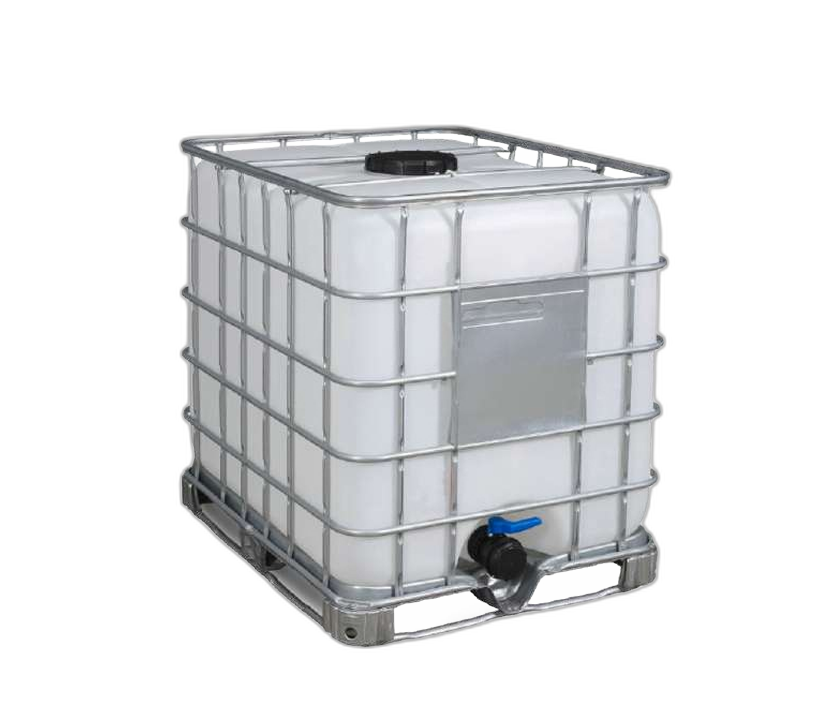
Spend any time around UAE construction sites, warehouses, or the industrial stretches of Al Quoz and Jebel Ali, and you'll have seen them everywhere: cubic-metre containers in a galvanised steel cage, sitting on a pallet, with a valve at the bottom. That's an IBC — an Intermediate Bulk Container — and the 1,000-litre size is one of the most genuinely useful liquid storage and transport tools in the UAE market.
There's a reason they're everywhere. A 1,000-litre IBC sits on a standard pallet, so any forklift or pallet truck can move it without fuss. It fills from the top through a 150mm cap, drains from the bottom through a 50mm valve, and can hold water, chemicals, food ingredients, agricultural liquids, or oils. When you're finished with it, the inner bottle can be swapped and the whole unit put back into service.
Here's what you actually need to know before buying, using, or maintaining a 1,000-litre IBC in the UAE.
What's Actually Inside an IBC
IBC stands for Intermediate Bulk Container — sitting, as the name suggests, between a small container (drum, jerrycan) and a large fixed tank.
A standard 1,000-litre IBC breaks down into four parts:
The HDPE inner bottle — the actual liquid-tight vessel, made from High Density Polyethylene. For food-grade use, this has to be virgin HDPE, never previously used, and certified for food contact.
The galvanised steel cage — the structural frame protecting the bottle from impact, and what gives the IBC its recognisable look. Stainless steel cages are available for tougher environments.
The pallet base — usually HDPE or steel, sized to standard forklift tines and pallet trucks, which is what makes an IBC universally compatible with UAE warehouse and logistics equipment.
The outlet valve — a 50mm (2") valve at the base for draining, typically a quarter-turn butterfly valve. Larger valves and specialist materials (EPDM, Viton) are available for specific chemicals.
Standard Specifications
| Specification | Value |
|---|---|
| Nominal capacity | 1,000 litres |
| Overall dimensions | 1,200 × 1,000 × 1,165 mm (approx.) |
| Empty weight | 55 – 75 kg |
| Outlet valve size | 50 mm (2") |
| Inlet opening | 150 mm (6") |
| Maximum stacking | 3 high (when full) |
| Working temperature | -18°C to +50°C (standard HDPE) |
The Different IBC Types on the UAE Market
Standard New IBC (Steel Cage)
The default option, and what most people mean when they say "I need an IBC" — galvanised steel cage, HDPE inner bottle, HDPE or steel pallet. Suitable for water, food-grade liquids, general chemicals, and agricultural use.
Food-Grade IBC
A new unit where the inner bottle and valve are certified for food contact — manufactured from virgin HDPE that's never held anything else. Required for drinking water, edible oils, food ingredients, and animal feed liquids. Look for the food-safe symbol (fork and glass) on both the valve and bottle.
Stainless Steel Cage IBC
The cage itself is SS304 or SS316 rather than galvanised steel — more expensive, but worth it in environments where a galvanised cage would corrode: coastal industrial sites, food processing areas with regular washdown, and premium food or pharmaceutical applications.
Reconditioned / Rebottled IBC
The original cage and pallet with a fresh HDPE inner bottle. The cage gets inspected, cleaned, and repainted where needed. A cost-effective option when the previous contents are known and compatible with the new use — good for water storage, construction, irrigation, and dust suppression.
Where IBCs Actually Get Used in the UAE
The combination of standard sizing, portability, and versatility puts IBCs to work across a huge range of UAE industries.
Construction site water storage and transport One of the most common uses. Desert construction sites need water for mixing, dust suppression, worker welfare, and concrete curing. IBCs get delivered by truck, positioned by forklift, and refilled as needed — storage that can move with the project.
Chemical storage and distribution Pool chemicals, cleaning agents, liquid fertilizers, industrial lubricants — the UAE's chemical distribution industry runs largely on IBCs. Standard sizing means one drum pump fits any IBC, and one coupling connects to any outlet.
Food and beverage Edible oils, liquid sugar, sauces, dairy ingredients — UAE's food manufacturing and import sector moves substantial volumes of liquid ingredients in food-grade IBCs. The cage protects the bottle in transit; the standard pallet keeps handling straightforward.
Agriculture Farms and landscape contractors across the UAE use IBCs for irrigation water and liquid fertilizer storage. Portability is the key benefit — a tractor with a forklift attachment can shift a full IBC around a farm with no trouble.
Industrial and oilfield Coolants, corrosion inhibitors, hydraulic fluids, process chemicals — IBCs are the standard intermediate container across the UAE's industrial and oilfield supply chain.
Pricing in the UAE (2025)
| Type | Price Range (AED) |
|---|---|
| New standard IBC (steel cage) | AED 850 – 1,400 |
| New food-grade IBC | AED 1,000 – 1,600 |
| Stainless steel cage IBC | AED 2,000 – 3,500 |
| UN-rated chemical grade IBC | AED 1,100 – 1,800 |
| Reconditioned IBC (cage + new bottle) | AED 450 – 750 |
| Used IBC (cleaned and tested) | AED 200 – 450 |
Buying in bulk: pallet quantities (typically 4–6 IBCs) or truckload orders (20–24 units) usually earn a 10–20% discount. If IBCs are a regular purchase for you, buying in volume is almost always the better move.
Delivery: within Dubai, expect AED 50–150 per unit depending on quantity and distance.
Storing IBCs Properly in UAE Conditions
UV Exposure Outdoors
UAE's UV radiation is severe. Unprotected HDPE degrades faster here than in almost any other market — bottles can start going brittle within a year or two of outdoor exposure without proper UV protection. To extend an IBC's working life here:
- Order UV-stabilised HDPE bottles from the start
- Store under shade wherever possible
- Use opaque covers or wraps — this also curbs algae growth in water-filled IBCs
Stacking
Full IBCs can stack 3 high. The cage of the upper unit must rest on the pallet of the one below it — never let a cage rest on the bottle underneath. If you spot an improperly stacked IBC, don't walk under it.
Heat
UAE summer can push enclosed spaces past 60°C, and HDPE starts softening under load well before that. Keep full IBCs out of direct sun and unventilated spaces during peak summer unless they're properly shaded.
Secondary Containment
UAE environmental regulations require secondary containment for chemical storage. For IBCs holding oils, chemicals, or hazardous liquids, use a bunded pallet rated to at least 110% of the IBC's capacity.
Cleaning and Reusing an IBC
Reusability is one of the IBC's best features. Before putting one back into service:
- Confirm the previous contents — if unknown or incompatible with the new use, don't reuse
- Drain completely — invert if you can to get residue out
- Rinse several times with clean water
- Inspect the cage, valve function, and bottle condition (no crazing, discolouration, or smell)
- Pressure test — fill with water, check every connection under light pressure
- Disinfect — for potable water or food reuse, sanitise with an approved disinfectant
Never reuse an IBC that held:
- Unknown substances
- Concentrated acids or caustic materials (which can affect HDPE internally)
- Carcinogenic or toxic substances that can't be fully removed
- Petroleum products (if the new use is food-related)
When to Rebottle
The steel cage typically lasts 15–20 years. The HDPE inner bottle usually manages 3–7 years, less with heavy UV exposure. Signs it's time for a new bottle:
- Visible stress cracking or crazing on the surface
- Discolouration that won't clean off
- The bottle shape has distorted
- The valve no longer seals properly
A rebottled IBC — new bottle, original cage — costs significantly less than buying new, and gives you essentially the same performance.
Frequently Asked Questions
Q: Is a used IBC safe for drinking water storage? A: Only if it's exclusively held food-safe substances and has been rebottled with a new food-grade bottle, or you can confirm its previous contents were water or food-grade liquids. If there's any doubt, buy a new food-grade IBC instead.
Q: How long does a new IBC last in UAE conditions? A: With proper UV protection, 5–10 years before the inner bottle needs replacing. The cage itself typically lasts 15–20 years.
Q: Can I store water long-term in an IBC here? A: Yes, under the right conditions: food-grade IBC, shaded location, appropriately treated water, and regular turnover. Don't let water sit indefinitely without refreshing it.
Q: How does a 1000L IBC differ from a purpose-built water tank? A: An IBC is designed for both storage and transport — cage protection, pallet base for forklift handling, standard outlet valve. A dedicated GRP or polyethylene water tank suits fixed, permanent storage better and usually costs less per litre of capacity. IBCs win when mobility is what you actually need.
Q: Can you deliver to Abu Dhabi or the Northern Emirates? A: Yes, across all 7 emirates. Bulk orders typically include delivery, or qualify for a reduced delivery rate.
Contact Khazzan.ae for IBC tank stock, pricing, and delivery across the UAE.
Related Resources
- Water Tank UAE — Complete Buyer's Guide
- Water Tank Sizes UAE — Full Size Guide
- Water Tank Price Dubai & UAE 2025
- Water Tank Size Calculator UAE
- Buy Water Tank UAE — Khazzan.ae
📞 Call or WhatsApp: +971509583173 🌐 khazzan.ae 📍 Al Qouz Industrial Area 3, Dubai, UAE 🕐 Monday to Saturday, 8AM – 7PM
Supplying IBC tanks and water storage solutions across Dubai, Abu Dhabi, Sharjah, Ajman, RAK, Fujairah, and UAQ.